
How to Choose the Right Women’s Wear Products for Your Retail Store’s Target Customers
- Home
- A Guide for Women's Clothing Manufacturer in Coimbatore
Summary
Choosing the right women’s wear helps retailers match customer preferences, manage inventory and improve sales opportunities. This guide explains how to understand your audience, select suitable clothing categories, evaluate fabric and quality, and plan purchases that support your store’s needs and long-term growth.
Introduction
A clothing store can have an attractive display and competitive prices, yet struggle to sell products that don’t match its customers’ preferences. Choosing the right women’s wear for retail shops starts with understanding who shops at your store, what they need and how much they are willing to spend.
The best product selection balances customer demand, fabric preferences, sizes, designs and budget. Retailers who understand these factors can make more informed buying decisions, reduce slow-moving inventory and keep their collections relevant.
Whether you manage a neighbourhood clothing shop, a boutique or a multi-brand store, your product range should reflect the people who walk through your doors.
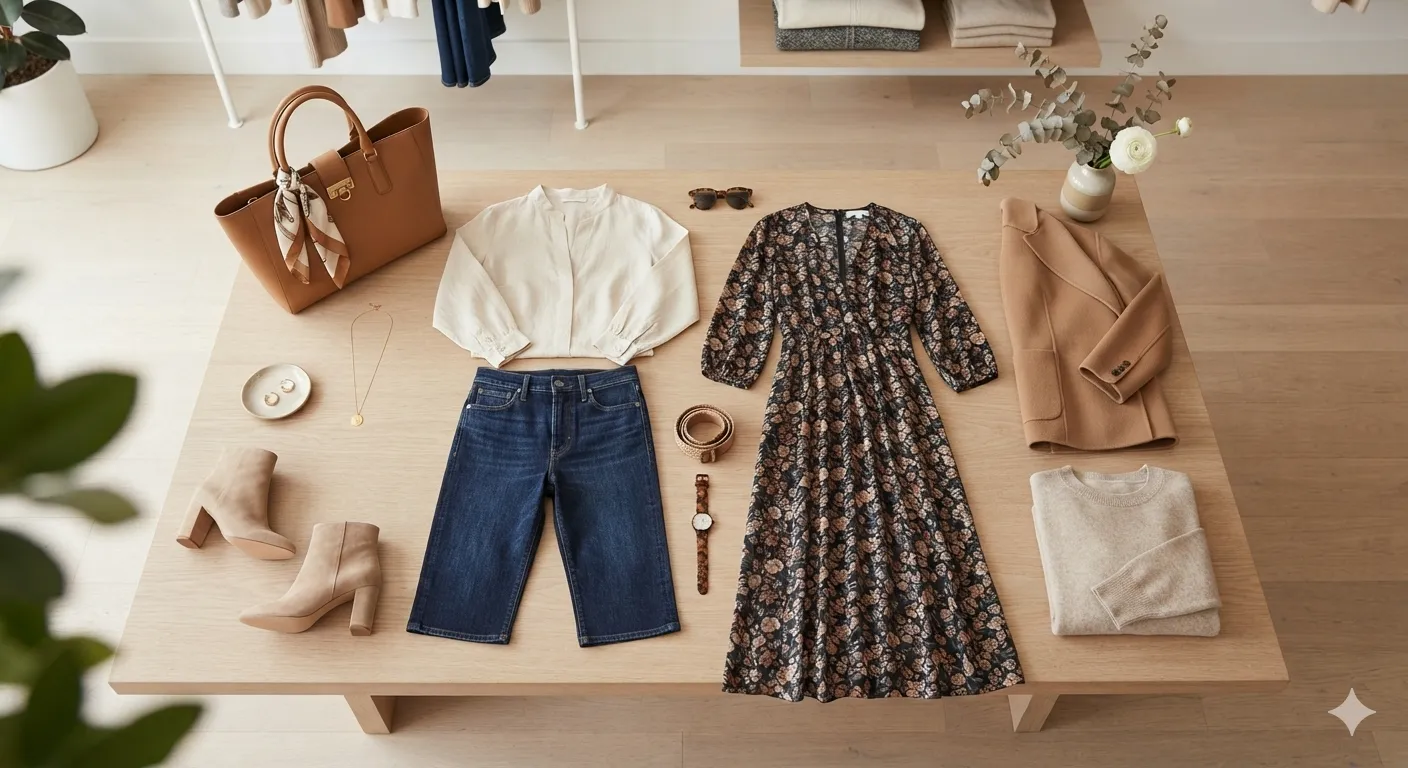
How Can You Choose the Right Women’s Wear Products for Your Retail Store’s Target Customers?
You can choose the right products by studying your customers’ lifestyles, budgets, preferred styles and buying habits before placing wholesale orders. A collection designed around actual demand is more likely to attract buyers than one based only on personal taste or passing trends.
Start by observing what customers ask for, which products sell quickly and which items remain on your shelves. If working professionals regularly purchase simple kurtis, for example, everyday styles may deserve more space than heavily embellished occasion wear.
Also consider your store’s location and audience. A shop serving students may benefit from affordable tops and casual wear, while a boutique catering to festive shoppers may need more occasion-specific designs. Use customer feedback and past sales to guide your decisions rather than guessing.
Which Women’s Clothing Categories Should Your Retail Shop Stock?
Your product range should include clothing categories that match your customers’ needs while giving them enough variety to explore. A balanced selection can help you serve different shopping occasions without tying up too much money in products that sell slowly.
Depending on your audience, consider kurtis, chudidhar sets, tops, leggings, skirts, blouses, inskirts and casual shirts. Everyday essentials can support regular sales, while seasonal and festive pieces offer opportunities to refresh your displays.
For example, a retailer serving customers who prefer traditional everyday clothing might prioritise kurtis, chudidhar sets and leggings. A store with a younger audience may test more tops and casual styles in smaller quantities before expanding its range.
Explore Zillion Threads’ women’s clothing and product categories to understand the types of garments available for retail sourcing. You can also read the guide to best-selling women’s wear in Tamil Nadu when planning your product mix.
How Do Fabric, Fit and Quality Affect Women’s Wear for Retail Shops?
Fabric, fit and finishing influence how customers judge a garment, whether they feel comfortable wearing it and whether they consider buying from your store again. Evaluating these details before ordering helps you maintain consistent standards across your collection.
Consider the purpose of each garment. Customers shopping for daily wear may prioritise comfort, easy care and breathable fabrics, while occasion wear buyers may focus more on appearance, detailing and finish. The right choice depends on your audience and the intended use of the product.
Check stitching, seams, sizing, colour consistency, fabric feel and overall finishing when reviewing samples or new deliveries. Compare size labels with actual measurements where possible, since inconsistent sizing can lead to customer complaints and returns.
When working with a women’s garment manufacturer, ask about fabric specifications, quality checks and the process for handling defective pieces. Learn more about choosing a women’s clothing manufacturer in Coimbatore to help evaluate potential sourcing partners.
How Can You Match Prices, Sizes and Trends to Customer Demand?
The best way to manage your clothing selection is to balance affordability, size availability and current customer preferences. Your collection should offer enough choice to attract different buyers without creating unnecessary inventory costs.
Set a clear price range for each product category before ordering. If your customers usually look for affordable everyday clothing, stocking too many premium pieces could slow sales. Instead, offer products at different price points where your budget and customer demand allow it.
Size planning matters just as much. Review which sizes sell most frequently and use those patterns to guide future orders. When testing a new design, start with a manageable quantity and increase orders once sales confirm demand.
Trends also deserve careful attention. Monitor customer requests and seasonal preferences, but avoid buying large quantities of a style simply because it is popular elsewhere. For insights into the local textile industry, explore why Coimbatore is a major women’s textile hub.
How Do You Select a Reliable Wholesale Supplier for Your Store?
A reliable women’s wear supplier for retail shops should offer suitable products, consistent quality, transparent pricing and clear communication. These qualities help you replenish popular items and manage your store with fewer sourcing surprises.
Before committing to an order, confirm minimum quantities, payment terms, delivery schedules and policies for damaged or defective garments. Ask whether popular styles can be reordered and how the supplier communicates changes in availability.
You should also consider the supplier’s product range and distribution arrangements. A manufacturer offering several clothing categories may help you source different products through one relationship, depending on availability and order terms.
Conclusion
Choosing the right women’s wear for retail shops requires a clear understanding of your customers, careful product selection and consistent attention to quality. When you match clothing categories, fabrics, sizes and prices to real buying preferences, you can build a collection that serves customers while helping you manage stock more effectively.
A thoughtful buying strategy helps your store remain relevant and gives customers more reasons to return. Ready to explore clothing options for your retail business? Contact Zillion Threads to discuss your requirements and explore suitable sourcing options.